Learning Spanish opens up a world where accents are crucial. They make conversations lively. Wondering how to spot accents in Spanish words? No worries. We’ve prepared an easy-to-follow Spanish pronunciation guide. This guide simplifies the importance of accents. They’re not just for show; they guide us to the right pronunciation and clear communication.
Ever mixed up “también” with another word, or said “ano” instead of “año”? If so, understanding Spanish accent symbols is key. They’re not just pretty marks—they help you pronounce words correctly. For instance, words ending in vowels, “n”, or “s” stress the second-to-last syllable. Other endings stress the last syllable. If a word like “la canción” breaks this rule, an accent marks the spot.
Let’s dive deeper. Learn about different accents like the open “¿”; the diaeresis in “arquero”; and the tilde “~” in “año”. With our guide, you’ll grasp these sounds that embody Spanish. Plus, you’ll avoid confusing words with different meanings.
Understanding accents goes beyond vocabulary. They help capture the Spanish language’s true essence. By learning accents, you’ll improve your pronunciation, fluency, and confidence. Engage with the Spanish world like never before.
The Significance of Accents in Mastering Spanish Pronunciation
Accents are key in the Spanish language. They shape pronunciation and meaning. Grasping these distinctions improves understanding and speaking skills.
We will see how Spanish accents influence language subtleties. They’re crucial for differentiating words with accents.
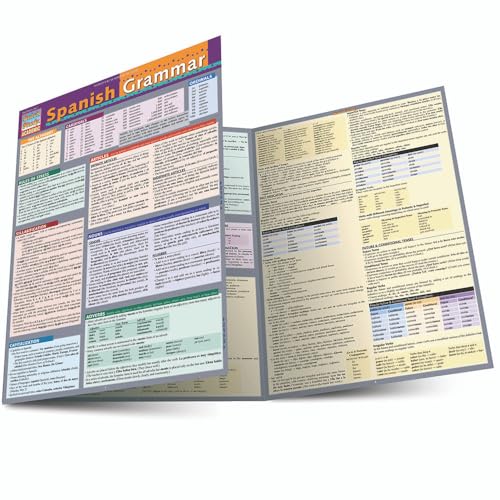
Learn the basics of Spanish grammar in our easily accessible format.

Understanding the Impact of Accents on Meaning and Clarity
Spanish uses accent marks like the tilde, diaeresis, and acute accents. Each is vital for pronouncing words clearly. The acute accents (á, é, í, ó, ú) indicate stressed syllables. Without them, it’s easy to confuse words like ‘si’ and ‘sí’.
Knowing when and how to adjust the tone of syllables helps a lot. It helps tell apart questions from statements. It also distinguishes words like el (the) from él (he).
Experiences of Native and Non-Native Speakers with Spanish Accents
Both native and non-native speakers face challenges with accents. Natives struggle with using them correctly in writing. This shows how deep Spanish spelling rules are.
Non-natives find that understanding accents helps in Spanish-speaking communities. It leads to better and respectful conversations.
Exploring Spanish diacritics can be helped by online resources. For example, learning to identify Spanish accents is key for improving language skills.
Psychological and Social Benefits of a Proper Spanish Accent
Correct pronunciation offers more than clear communication. It creates a sense of belonging and strengthens social bonds. It can also enhance how people view you professionally.
Understanding Spanish accents opens doors in social and work environments. It may even offer cognitive and economic benefits.
To excel in Spanish, knowing how to use accents is essential. Improving your accent and spelling skills sets you apart. It also connects you deeper with Spanish culture.
| Type | Examples | Purpose |
|---|---|---|
| Acute Accent | á, é, í, ó, ú | Indicates stress and question forms |
| Tilde | ñ | Denotes a unique nasal sound |
| Diaeresis | ü | Clarifies vowel pronunciation |
How to Know if Spanish Words Have Accents
Learning about spanish accent marks examples helps a lot. It makes you better at Spanish. Accents are key in knowing how to say words and tell them apart.
There are three main Spanish accents: diaeresis (ü), tilde (ñ), and acute accent (à, é, í, ó, ú). Each one has a unique role. For example, diaeresis makes the ‘u’ sound in words like ‘güero.’ The tilde changes the ‘n’ to a different sound, as in ‘niño.’ And acute accents show which vowel to stress, like the ‘é’ in ‘café.’
Spanish has clear rules on where to put stress in words. If a word ends in a vowel, ‘n’, or ‘s’, you stress the second-to-last syllable. For other endings, the stress is on the last syllable. Sometimes, when these rules don’t apply, you need an acute accent to show how to say the word.
| Category | Stress Rule | Example |
|---|---|---|
| Penultimate Stress | Ends in vowel, ‘n’, ‘s’ | Árbol (Tree) |
| Ultimate Stress | Ends in consonant other than ‘n’ or ‘s’ | Comer |
| Irregular Stress | Doesn’t follow above rules | Teléfono (Telephone) |
It’s vital to know these rules for basic Spanish words. Accents can totally change a word’s meaning. For instance, ‘si’ turns into ‘sí.’
Many common words, like si/sí and el/él, use accents to avoid mix-ups. Accents help us understand these words better when we read.
This knowledge helps with pronunciation, reading, and writing in Spanish. Knowing these accent rules makes your Spanish clear and right.
The activities in this book can be used on their own or in addition to any Spanish program, and the exercises focus on everyday Spanish vocabulary

Great tool for keeping children current during the school year or preparing them for the next grade level
Essential Rules and Patterns for Spanish Accentuation
The secrets of Spanish accentuation are key to mastering the language. Understanding Spanish accent marks examples, Spanish language accent symbols, and Spanish spelling rules boosts your skills. We’ll explore the basic rules that help with clear communication and correct pronunciation.

Spanish and English Learning: This educational toy helps children learn two languages simultaneously, fostering their appreciation for diverse cultures, creating a fun and relaxed language learning environment, and boosting their interest in learning

60 Double-sided Bilingual Cards: It comes with 60 word cards and 2 plastic rings. Each card features English on one side and Spanish on the other, allowing children to learn vocabulary in two languages. It measures 4.7" x 3.2", compact enough for little hands while providing ample space for clear and legible words and illustrations.

100 PCS Spanish flash cards: You’ll get 50pcs of vocabulary cards and 50pcs of daily language cards, also equipped with 1 exquisite storage box for long-lasting use. One side is in English, and the other side is in Spanish, with pronunciation and corresponding cartoon illustrations. Flash cards feature a carefully curated selection of essential conversational phrases and expressions commonly used in Spanish, ensuring that learners acquire the vocabulary necessary for day-to-day interactions.
Decoding Tonal and Grammatical Accents in Spanish
Spanish accents, or tildes, are vital. They help tell apart words that sound the same but have different meanings. For instance, ‘te’ (tea) and ‘té’ (you have) differ mainly because of the accent. Also, accents in question words like ‘qué’ (what?) versus ‘que’ (that) make their meaning clear in sentences. This improves Spanish pronunciation guide and understanding.
Identifying the Accented Syllable: Spanish Pronunciation Guide
To master Spanish pronunciation, knowing where to stress a word is crucial. Words ending in a vowel, ‘n,’ or ‘s’ usually stress the next-to-last syllable. Other consonants mean the stress is on the last syllable. When these rules don’t apply, accent marks are used. This shows the importance of knowing these rules for correct pronunciation and meaning.
| Ending | Usual Stress | Accent Mark Needed When… |
|---|---|---|
| Vowel, n, s | Penultimate | Stress on last syllable |
| Other consonants | Last | Stress on penultimate or antepenultimate syllable |
| Examples | Paroxytone: libro (book) | Proparoxytone: música (music) |
Learning about Spanish language accent symbols isn’t just memorizing. It’s about understanding the rhythm of the language. This helps in speaking clearly and listening effectively. You’ll notice small differences in words that seem similar. Proper use of Spanish accent marks examples significantly improves your language skills.
Exploring resources like this detailed guide offers deep insight into using accent marks. It has tutorials, exercises, and interactive learning to boost your knowledge of Spanish spelling rules and pronunciation. This can be incredibly helpful for learning.
Dive into Pronunciation: Techniques for Learning Accent Marks in Spanish
Starting to master Spanish pronunciation might look hard at first. But with the right plan and regular practice, you can beat any challenge. We’ll look at some top ways to spot accents in Spanish words and speak better.


INTERACTIVE SPANISH LEARNING FOR GRADE 3 - This workbook builds on previous lessons with essential vocabulary and sentence structures, helping students gain confidence in Spanish
Practical Exercises for Spanish Vowels and the Dreaded ‘RR’
Good pronunciation starts with knowing the Spanish vowels well. These vowels often have acute accents, key for speaking Spanish right. For example, learning words like ‘rápido’ (fast) or ‘esdrújula’ (proparoxytone) shows how acute accents stress syllables. Acute accents show up in almost all Spanish words, telling us where to put the emphasis when we speak.
The rolled ‘RR’ is also tough for many learners. Practice with words like ‘carro’ (car) or ‘arriba’ (up) can make a big difference. Speech therapy exercises, like ‘praxias erre,’ help a lot with long words needing the ‘RR’ sound.
Using Speech Therapy Tips to Master Tough Spanish Sounds
Speech therapy is great not just for fixing speech issues but also for language learning. Techniques like big mouth movements and practicing certain syllables can help. This is especially true for sounds like ‘ñ’ in ‘niño’ (child) or ‘baño’ (bathroom). It’s important to learn the tilde’s role, which makes ‘ñ’ different from ‘n.’
Visual aids and feeling how your tongue and mouth move help with Spanish sounds. This is especially so for vowels with acute accents.
| Accent Type | Example | Usage |
|---|---|---|
| Acute (á, é, í, ó, ú) | sí (yes), corazón (heart) | Indicate stress on a syllable and differentiate homonyms |
| Tilde (ñ) | niño (child) | Produces a distinct phonetic sound |
| Diaeresis (ü) | vergüenza (shame) | Used rarely, primarily after ‘g’ to denote pronunciation as ‘w’ sound in ‘dew’ |
Understanding these accent types with practice and regular use is key. It’s a big step in mastering Spanish pronunciation.
Always remember the power of repetition in learning Spanish pronunciation. Saying Spanish phrases and sentences with different accents often will improve your pronunciation. It also builds your confidence in using the language well.
Embracing Technology: Tools and Resources for Improving Spanish Accents
If you want to improve your Spanish accent, knowing which words have accents is key. Understanding Spanish spelling rules for accents is also essential. With millions of native speakers, learning these differences helps you communicate better. Technology makes learning easier. For example, knowing about the acute accent can improve your pronunciation skills.
Add a Spanish keyboard to your computer to type accents easily. This setup gives you quick access to essential Spanish accent symbols. Words like “niño” need these symbols to sound right and keep their meaning. Use good grammar guides, like comprehensive grammar guides, to help you. Listening to accents from Mexico to Colombia can also improve your understanding and pronunciation.
Using accent marks right is crucial, not just for writing but for speaking too. It helps you tell apart words that sound the same but have different meanings. To get better, try interactive content and expert advice on accent marks in Spanish. These resources teach you tricks and patterns. They help you use accent marks confidently in your spoken and written Spanish.