You’re looking to build a solid Korean foundation without drowning in endless lists, and two resources cut through the noise: a set of 192 house‑related flashcards with audio and the TTMIK Level 1 Beginner Bundle, which pairs clear grammar explanations with practical exercises. Both cater to beginners, but they differ in format, depth, and extra materials. Understanding those nuances will help you decide which one—or both—fits your study style and budget.
| Korean Vocabulary Flashcards: 192 Essential House Words + MP3 Audio | 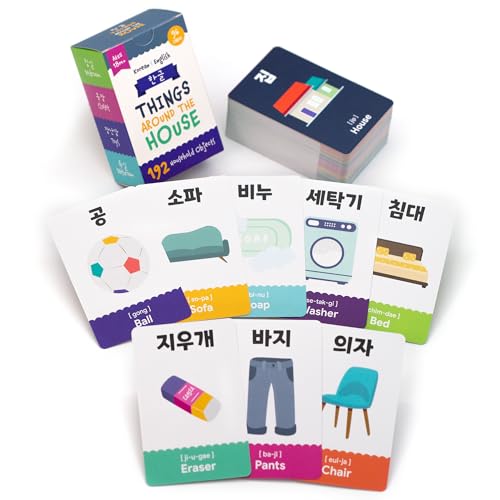 | Beginner Essentials | Content Focus: Household vocabulary | Audio Component: Free MP3 pronunciation audio | Physical Format: Laminated flashcards (400 gsm) | VIEW LATEST PRICE | Read Our Analysis |
| Talk To Me In Korean Level 1 Beginner Bundle with Extras | 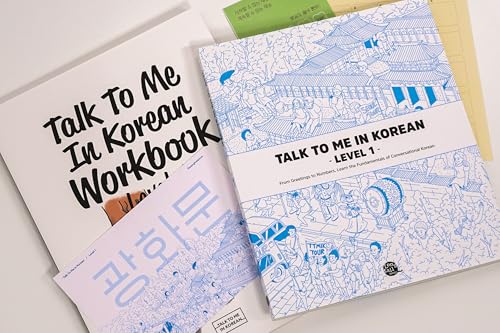 | Comprehensive Starter | Content Focus: Grammar & conversation | Audio Component: Free MP3 audio resources online | Physical Format: Textbook + workbook (paper) | VIEW LATEST PRICE | Read Our Analysis |
More Details on Our Top Picks
Korean Vocabulary Flashcards: 192 Essential House Words + MP3 Audio
If you’re a beginner—whether a preschooler, a kid, an adult, or a self‑paced learner—these flashcards are the perfect entry point for everyday Korean. You’ll get 192 double‑sided cards showing Hangul, Romanization, English, and a clear picture of each household item. The 400 gsm laminated cards survive water and tears, so you can practice anywhere—from the kitchen to the living room. A free MP3 download lets a native speaker’s pronunciation reinforce listening and speaking. Designed for ages 36 months to 99 years, the set scores 4.7 stars from 62 reviewers and comes with a 30‑day return guarantee.
- Content Focus:Household vocabulary
- Audio Component:Free MP3 pronunciation audio
- Physical Format:Laminated flashcards (400 gsm)
- Target Audience:Beginners of all ages (36 mo – 99 yr)
- Supplemental Materials:Images on each card
- Return Policy:30‑day voluntary return guarantee
- Additional Feature:Waterproof, tear‑resistant laminate
- Additional Feature:Visual image on each card
- Additional Feature:Age range 36 months‑99 years
Talk To Me In Korean Level 1 Beginner Bundle with Extras
Adult beginners looking for a structured, self‑paced introduction to Korean will find the Talk To Me In Korean Level 1 Beginner Bundle the perfect fit. The set includes a grammar textbook, a workbook with over 100 exercises, and three bonus essentials—Progress Tracker, stickers, and postcards—to keep you motivated. You’ll master Hangul, basic grammar, and conversational phrases through 25 progressive lessons and real‑life examples. Free MP3 audio online sharpens pronunciation, while the tracker and stickers make progress visible. Trusted by more than 10 million learners, this 1.54‑pound bundle offers an extensive, engaging start to Korean without fluff.
- Content Focus:Grammar & conversation
- Audio Component:Free MP3 audio resources online
- Physical Format:Textbook + workbook (paper)
- Target Audience:Adult beginners (self‑study)
- Supplemental Materials:Progress tracker, stickers, postcards
- Return Policy:30‑day voluntary return guarantee
- Additional Feature:25 structured grammar lessons
- Additional Feature:Progress tracker and stickers
- Additional Feature:Over 10 million learners worldwide
Factors to Consider When Choosing a Korean Vocabulary Book
When you pick a Korean vocabulary book, make sure the content matches the words you need to learn. Choose one that fits your current level, offers audio clips, and includes clear visual aids. Finally, consider the book’s durability and format so it stays useful over time.
Content Relevance
Choosing a Korean vocabulary book that matches your personal interests, daily routines, and language goals is essential for effective learning. You should first check whether the book’s word list reflects situations you actually encounter—food, transportation, work, or hobbies. For beginners, look for titles that emphasize household items, basic greetings, and everyday routines, because those words will surface instantly in conversation. If you’re intermediate or advanced, prioritize books that immerse into professional jargon, hobby‑specific terms, or travel vocabulary that aligns with your ambitions. Culturally relevant entries—idioms, honorifics, and festival vocabulary—will deepen your understanding of Korean customs and make your study more engaging. Finally, assess the breadth and depth of coverage; a well‑structured book should expand your lexicon without overwhelming you, ensuring each chapter builds toward your language goals.
Level Appropriateness
If you pick a vocabulary book that matches your current proficiency, you’ll stay motivated and avoid frustration. Start by gauging how many Korean words you already know and how comfortably you read short passages. Beginner books should focus on essential nouns, verbs, and basic grammar, offering plenty of repetition and clear examples. Intermediate texts introduce thematic sets—travel, work, or culture—while still providing context clues. Advanced volumes immerse into idiomatic expressions, academic terminology, and nuanced usage, often assuming you can infer meaning from context. Look for titles that label difficulty levels explicitly, such as “beginner,” “intermediate,” or “advanced.” Also, consider whether you’ll study alone, in a classroom, or need a resource for a specific goal; the right level aligns with both your skill set and intended use.
Audio Integration
Audio integration can boost your pronunciation and listening skills, so look for books that bundle high‑quality native‑speaker recordings with each vocabulary entry. You’ll want audio that streams or downloads instantly, letting you practice on the go without waiting for a CD. Check that recordings match the written word exactly, including tone and intonation, because Korean’s vowel length and consonant clusters matter. Prefer files that let you loop a single term, slow the speed, and compare your voice to the native model. If the book offers a companion app, make sure it syncs progress so you can track which words you’ve mastered and which need more repetition. Consistent, clear audio will reinforce memory and build confidence when you speak.
Visual Aids
Great audio sets the stage, but visual cues lock the meaning in your mind. When you pick a Korean vocabulary book, look for clear, labeled images that sit beside each word. Flashcards that pair a word with a picture of the object or scene help you form instant associations, cutting the time you’d spend guessing meanings. Choose books that illustrate everyday household items, bustling street scenes, and cultural symbols—these familiar visuals make the terms stick and feel relevant. Well‑designed graphics should match the vocabulary level, reducing cognitive load for beginners. By selecting resources that blend words with purposeful illustrations, you’ll engage multiple learning styles and boost retention without extra effort.
Durability & Format
Often the biggest hurdle is finding a Korean vocabulary book that can survive daily use without falling apart. You’ll want durable materials—laminated cards or thick paper that resist wear and tear, especially if you study on the commute. Portable formats like flashcards or compact books fit into a bag, letting you review whenever you have a spare moment. If you prefer a digital route, ebooks and audio lessons give instant access and easy updates without physical degradation. Physical books with sturdy bindings offer a structured feel and can handle frequent page turning. Check product details on format, construction, and portability to match your study habits and environment, ensuring the book stays intact and useful over time.
Supplementary Materials
When you choose a Korean vocabulary book, look for supplemental resources—audio clips, flashcards, or an interactive app—that reinforce what you learn and let you hear correct pronunciation. Audio recordings let you mimic native intonation, while flashcards boost spaced‑repetition recall. An interactive app can sync with the text, offering quizzes and instant feedback. Check if the publisher supplies a workbook with exercises, writing drills, and quizzes; these cement usage beyond passive memorization. Free online videos from reputable platforms add extra listening practice and cultural context. Integrated learning systems that bundle textbook, workbook, and digital components give a seamless experience. Finally, motivational tools like progress trackers, stickers, or cultural postcards keep you engaged and make each study session feel rewarding.
Price‑Value Ratio
A solid price‑value ratio hinges on how many words, features, and resources you actually get for the cost. When you compare books, count the vocabulary entries, check for audio clips, and note any practice exercises or flash‑card apps. Beginner titles usually sit between $10 and $30, while advanced or niche volumes can run $30 to $50 or higher. If a $45 book offers 5,000 words, a companion CD, and a spaced‑repetition system, it may justify the price, but a $25 book with 2,500 words and a simple PDF might suit a tighter budget. Look at user reviews to gauge how useful the extras are for your learning style. Also, consider used copies or discounts—often you’ll keep the core content while shaving off a substantial portion of the cost. This way you match your goals and wallet, ensuring every dollar fuels real progress.