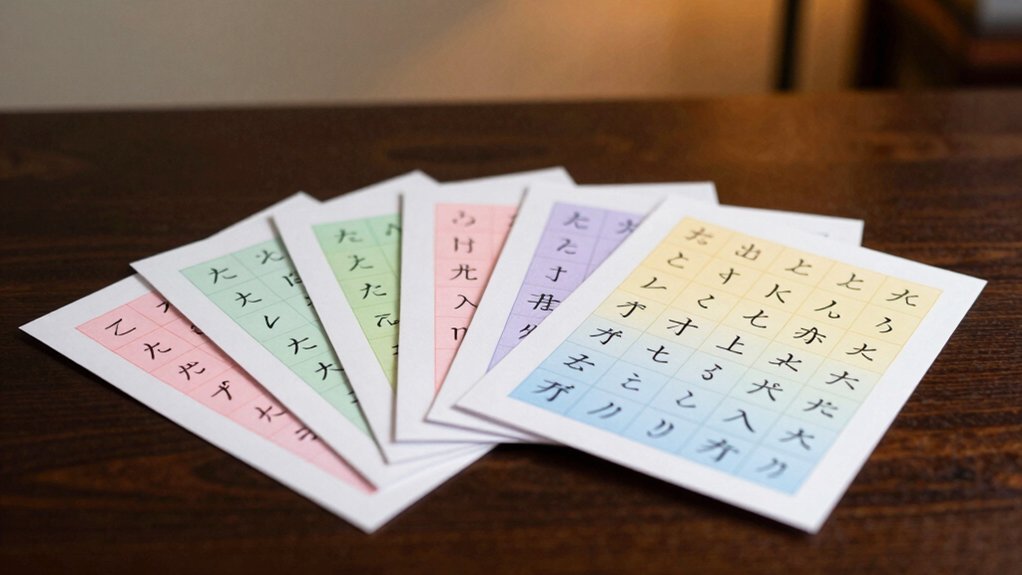
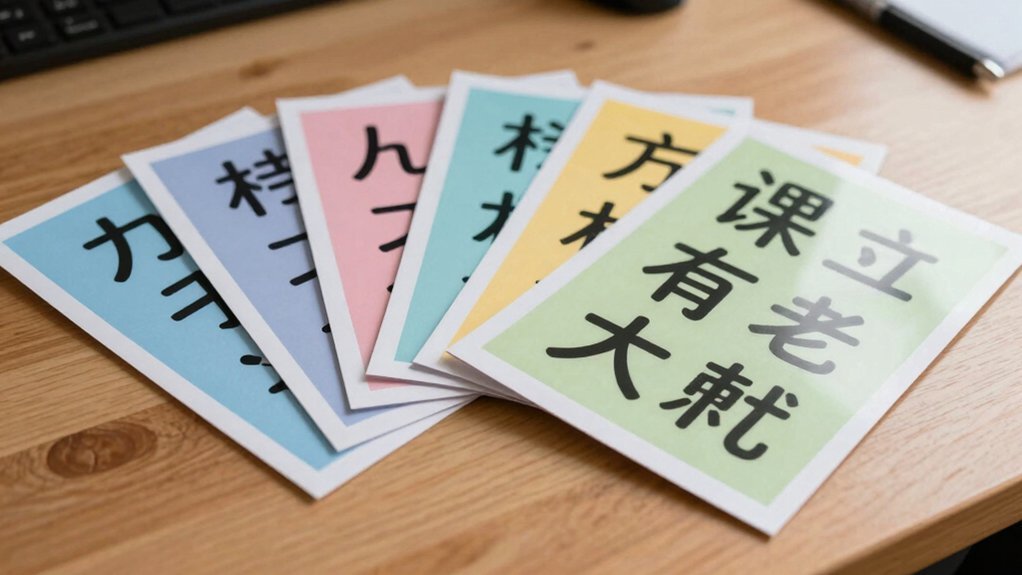
You’re looking for toys that actually teach a language while kids play, not just flashy gadgets that sit idle. Imagine a set of flash cards that pair vivid pictures with clear pronunciation, or a magnetic board that lets children build sentences in Spanish, Russian, or English. These tools blend visual cues, audio prompts, and hands‑on interaction to boost vocabulary and confidence. The right mix can grow with a child’s abilities, but picking the best ones isn’t as simple as buying the first colorful box you see.
| First 500 English Words Flash Card Picture Dictionary |  | Best Beginner | Target Age: 12+ | Language Pair: Russian‑English | Card/Tile Count: 500 cards | VIEW LATEST PRICE | Read Our Analysis |
| BOHS Spanish Literacy Wiz Spelling Game – 60 Flash Cards |  | Early Learner | Target Age: 3+ | Language Pair: English (spelling) | Card/Tile Count: 60 double‑sided cards (120 words) + 61 tiles | VIEW LATEST PRICE | Read Our Analysis |
| Speech Development Set 6-in-1 Russian Educational Cards |  | Speech Therapy | Target Age: 0‑2 | Language Pair: Russian | Card/Tile Count: 90 double‑sided cards | VIEW LATEST PRICE | Read Our Analysis |
| Airbition Bilingual Spanish-English Flash Cards (2+ years) |  | Bilingual Boost | Target Age: 2+ | Language Pair: Spanish‑English | Card/Tile Count: 512 words (cards) | VIEW LATEST PRICE | Read Our Analysis |
| AGO QnA ESL Card Game – 3 Level Box Set |  | Conversation Pro | Target Age: 6+ | Language Pair: English (ESL) | Card/Tile Count: 162 cards | VIEW LATEST PRICE | Read Our Analysis |
| Stages Learning Language Builder 12‑Box Flash Card Set (SLM988) | Autism Friendly | Target Age: 3‑high school (preschool‑to‑high‑school) | Language Pair: English (and other languages) | Card/Tile Count: 1,650 cards (plus blocks, beads, 3D items) | VIEW LATEST PRICE | Read Our Analysis | |
| MAYAPHILOS Bilingual Pocket Speech Flashcards (510 Words) |  | German‑English Duo | Target Age: 2‑6 | Language Pair: German‑English | Card/Tile Count: 510 cards | VIEW LATEST PRICE | Read Our Analysis |
More Details on Our Top Picks
First 500 English Words Flash Card Picture Dictionary
If you’re looking for a compact, hands‑on tool that makes English vocabulary stick, the “First 500 English Words Flash Card Picture Dictionary” is the perfect pick. You’ll hold a 9.4 × 6.7‑inch book in your hands, flip through 500 Russian‑English word pairs, and see vivid images that cement each term. The high‑quality, eco‑friendly paper feels sturdy, and the transcription lets you read aloud confidently. Designed for kids 12 + but useful for any beginner, it turns learning into a visual game. With a 4.9‑star rating from 14 reviewers, it’s a reliable, gift‑ready language booster.
- Target Age:12+
- Language Pair:Russian‑English
- Card/Tile Count:500 cards
- Physical Format:Flash‑card picture dictionary (paper)
- Audio Capability:None
- Educational Focus:Vocabulary building (English)
- Additional Feature:Eco‑friendly high‑quality paper
- Additional Feature:Dual‑language transcription included
- Additional Feature:Compact child‑hand size
BOHS Spanish Literacy Wiz Spelling Game – 60 Flash Cards
BOHS Spanish Literacy Wiz Spelling Game is the ideal foreign‑language toy for preschoolers and early elementary kids who need a fun, hands‑on way to master Spanish spelling. You’ll open the compact tray, pull out 61 letter tiles and 60 double‑sided cards, then match tiles to words in easy, medium, or hard modes. The visual aids boost letter recognition, while arranging tiles sharpens fine‑motor skills and hand‑eye coordination. Kids practice lower‑ and upper‑case letters, expand vocabulary, and improve memory, attention, and concentration. Parents, teachers, and language educators praise its engaging design, and the 14‑ounce, portable set fits neatly in any play area.
- Target Age:3+
- Language Pair:English (spelling)
- Card/Tile Count:60 double‑sided cards (120 words) + 61 tiles
- Physical Format:Flash cards + letter tiles + tray (paper & plastic)
- Audio Capability:None
- Educational Focus:Spelling & letter recognition
- Additional Feature:Includes 61 letter tiles
- Additional Feature:Adjustable difficulty modes
- Additional Feature:Portable storage tray
Speech Development Set 6-in-1 Russian Educational Cards
Parents of toddlers who want a fun, structured way to introduce Russian language basics will find the Speech Development Set 6‑in‑1 Russian Educational Cards ideal. You’ll get 90 double‑sided cards that teach the alphabet, basic words, and sounds through games designed by child psychologist Darya Dayanova. Each activity blends colorful illustrations with sound prompts, sharpening fine motor skills while boosting speech articulation and early reading. The set works from infancy through age 2, offering detailed instructions for parents and educators. You’ll notice tighter parent‑child bonding, consistent progress, and a playful, flexible path to Russian fluency.
- Target Age:0‑2
- Language Pair:Russian
- Card/Tile Count:90 double‑sided cards
- Physical Format:Double‑sided educational cards (paper)
- Audio Capability:None
- Educational Focus:Speech development & articulation (Russian)
- Additional Feature:Developed with psychologist Darya Dayanova
- Additional Feature:90 double‑sided cards
- Additional Feature:Flexible learning from infancy
Airbition Bilingual Spanish-English Flash Cards (2+ years)
The Airbition Bilingual Spanish‑English Flash Cards are perfect for curious toddlers and preschoolers who love interactive play while picking up a new language. You’ll find 510 words across two languages, spoken with a clear American accent, and you can choose English, Spanish, or both at once. The reusable box holds 512 cards, ranging from basic to advanced terms, and follows Montessori principles that boost cognitive skills and independent learning. Kids enjoy the sensory experience, while you appreciate the cultural exposure and relaxed environment. Ideal for birthdays, holidays, or everyday fun, these cards turn playtime into genuine fluency.
- Target Age:2+
- Language Pair:Spanish‑English
- Card/Tile Count:512 words (cards)
- Physical Format:Talking flash cards (paper with audio module)
- Audio Capability:Built‑in speaker, English/Spanish audio
- Educational Focus:Bilingual vocabulary & listening comprehension
- Additional Feature:Montessori sensory learning kit
- Additional Feature:Reusable box packaging
- Additional Feature:512 words from basic to advanced
AGO QnA ESL Card Game – 3 Level Box Set
If you’re looking for a fun, structured way to boost English conversation skills, the AGO QnA ESL Card Game’s three‑level box set is the perfect pick. You’ll get three graded decks—beginner, intermediate, advanced—each with 36 question cards and 18 action cards, totaling 162 cards. The linen‑finish, 300 gsm cards feel sturdy, and the magnetic box keeps them organized. Gameplay mirrors Uno, so you practice vocabulary, grammar, and confidence while competing. Teachers, tutors, and families worldwide trust it for ESL classes, homeschool lessons, and language clubs. Nominated for an ELTon Award, it supports learners aged six and up, backed by a 30‑day return guarantee.
- Target Age:6+
- Language Pair:English (ESL)
- Card/Tile Count:162 cards
- Physical Format:Playing cards (paper, linen‑finish)
- Audio Capability:None
- Educational Focus:Conversational ESL practice
- Additional Feature:Uno‑style gameplay mechanics
- Additional Feature:300 gsm linen‑finish cards
- Additional Feature:Nominated for ELTon Award
Stages Learning Language Builder 12‑Box Flash Card Set (SLM988)
Because its 1,650 real‑photo flash cards, 3‑D items, and writable backs let you create custom, multimodal lessons, Stages Learning Language Builder 12‑Box Flash Card Set (SLM988) is the ideal choice for educators and caregivers working with preschoolers, high‑school students, or adults who need structured, tactile language practice—especially those on the autism spectrum, with speech delays, or undergoing stroke rehabilitation. You’ll find noun, occupation, emotion, verb, and sequencing cards, plus 64 realistic 3‑D objects, beads, and blocks that support matching, sorting, and storytelling. The glossy cardstock endures frequent handling, while the writable backs let you label in any language. Clear‑label boxes and activity guides streamline storage and progress tracking, making every session purposeful and engaging.
- Target Age:3‑high school (preschool‑to‑high‑school)
- Language Pair:English (and other languages)
- Card/Tile Count:1,650 cards (plus blocks, beads, 3D items)
- Physical Format:Flash cards, blocks, beads, 3D items (paper, wood, plastic)
- Audio Capability:None
- Educational Focus:Broad language skills (nouns, verbs, emotions, sequencing, etc.)
- Additional Feature:Real‑photo glossy cards
- Additional Feature:Writable back surfaces
- Additional Feature:Integrated tracking system
MAYAPHILOS Bilingual Pocket Speech Flashcards (510 Words)
Looking for a compact, screen‑free way to boost your child’s German vocabulary? The MAYAPHILOS Bilingual Pocket Speech Flashcards pack 510 sight words into 31 themed cards, each showing English and German terms. When you press a card, it plays clear pronunciation of words and related sounds like animal calls or vehicle noises, turning passive looking into active listening. Their tiny 4.5 × 3.5 × 0.04‑inch size fits any backpack, and the rechargeable lithium battery keeps sessions going without batteries. Designed for ages 2‑6, they spark parent‑child conversation, sharpen cognition, and make learning a playful, screen‑free ritual.
- Target Age:2‑6
- Language Pair:German‑English
- Card/Tile Count:510 cards
- Physical Format:Talking flash cards (paper with built‑in speaker)
- Audio Capability:Built‑in speaker, pronunciation audio
- Educational Focus:Bilingual sight‑word recognition (German‑English)
- Additional Feature:Rechargeable lithium battery
- Additional Feature:USB charging port
- Additional Feature:Ultra‑compact 4.5 × 3.5 in size
Factors to Consider When Choosing Foreign Language Learning Toys
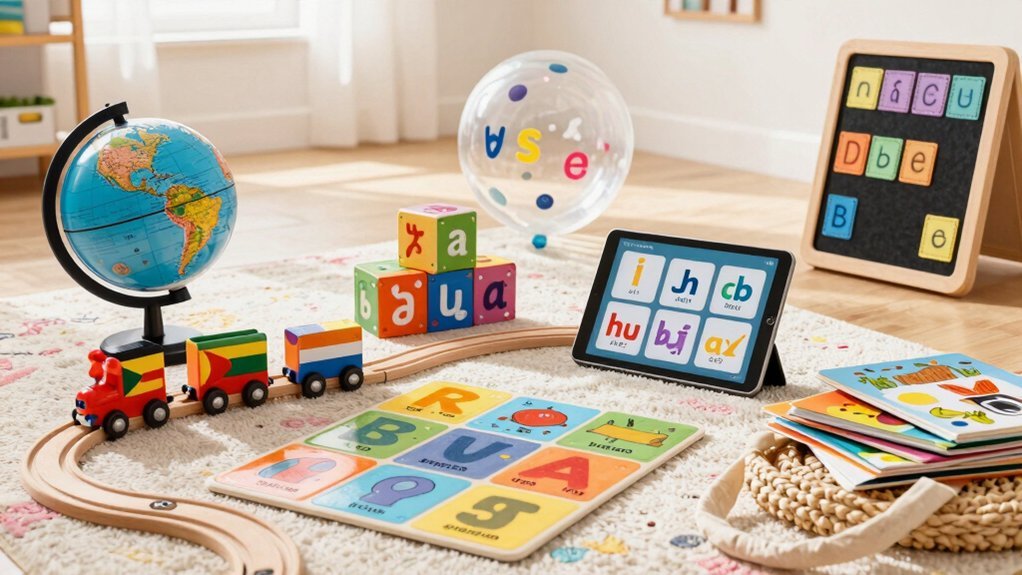
When you pick a foreign‑language toy, start by checking the age range to guarantee it matches the child’s developmental stage. Look for culturally authentic content and durable materials that can survive active play, and make certain the toy offers clear visual design with interactive audio features that reinforce learning. These factors together help you choose a toy that’s both engaging and effective.
Agepriate Age Range
What age is your child, and does the toy’s learning goal match it? If your kid is 2‑5, look for toys that teach basic vocab, phonics, and interactive play; short bursts keep attention high. For ages 6‑9, choose games that add reading, writing, and simple conversation, letting them practice letters and sentences while they have fun. When they hit 10‑12, opt for tools that push fluency—story‑building apps, dialogue‑driven puzzles, and comprehension challenges. Aligning the toy’s objectives with these developmental stages prevents frustration and sustains curiosity. A mismatch can stall progress, while a perfect fit fuels confidence, reinforces memory, and turns playtime into genuine language growth.
Cultural Authenticity Matters
Because authentic cultural cues shape how children perceive a language, you should prioritize toys that showcase genuine accents, realistic images, and everyday customs from the target culture. Look for dolls that speak with native pronunciation, storybooks that feature authentic festivals, and puzzles that depict real street scenes rather than cartoonish stereotypes. When the toy mirrors daily life—like a kitchen set with traditional dishes or a market stall with proper signage—kids absorb both language and context, deepening comprehension and cultural respect. Check the manufacturer’s background: reputable creators often collaborate with native speakers or cultural consultants to avoid misrepresentation. By choosing culturally faithful toys, you nurture curiosity, prevent harmful stereotypes, and lay a solid foundation for meaningful, respectful language acquisition.
Durable Materials Required
You’ll want toys built from sturdy plastics, solid wood, or thick cardboard so they survive the rough handling of curious kids. Those materials resist drops, chewing, and the inevitable spills that happen during daily play. When you evaluate a toy, check the thickness of the plastic and whether the wood is solid rather than veneer; laminated cardboard should be double‑wall for extra strength. A durable construction means the toy stays safe and functional for years, reducing replacement costs and keeping the language lessons consistent. Look for smooth edges, non‑toxic finishes, and reinforced joints that won’t loosen with repeated use. By choosing high‑quality, long‑lasting materials, you protect both your child’s learning experience and your budget.
Interactive Audio Features
Even with the sturdiest plastic or wood, a toy’s value drops if it can’t convey the language correctly; that’s why the audio component matters most. You should look for toys that deliver crisp, native‑speaker pronunciation so your child hears the right sounds and accents. Flashcards that speak back in the target language engage both ears and eyes, turning a simple drill into an immersive experience. Toys that play the foreign word alongside its native equivalent help your child make cross‑language connections and reinforce meaning. High‑quality, clear enunciation is essential; muffled or distorted audio will teach bad habits. If the toy lets your child record and replay their own voice, it adds a personal, interactive layer that boosts confidence and solidifies learning.
Clear Visual Design
A well‑designed visual layout can make a foreign‑language toy instantly engaging and easy to navigate. You’ll notice that clear, simple images paired with concise text help kids link words to pictures without confusion. Choose toys that use vibrant, high‑contrast colors; they draw attention and keep focus during practice. Look for uncluttered screens with generous spacing, which prevents cognitive overload and lets children process each element. Consistent visual cues—like recurring symbols or icons—build familiarity and reinforce memory. Make sure fonts are large, legible, and child‑friendly, so reading feels effortless. When these visual principles combine, the toy becomes a seamless learning tool, turning play into natural language acquisition.