When you hear someone say “Go with God,” you’re encountering more than a simple farewell – you’re witnessing the legacy of centuries-old religious tradition. This powerful benediction, rooted in Catholic liturgy, carries the weight of divine invocation and spiritual protection. Its journey from formal church Latin to everyday vernacular mirrors broader cultural shifts in how people express their faith. Yet beneath its familiar surface lies a complex theological history that connects ancient practice to modern spirituality.
key Takeaways
- “Go with God” originates from ancient Christian liturgical blessings, expressing hope for divine protection during one’s journey.
- The phrase implies placing oneself under God’s guidance and protection while traveling or embarking on new endeavors.
- In Spanish “Vaya con Dios,” it uses the subjunctive mood to convey deep respect and reverence for divine accompaniment.
- The expression evolved from formal religious benedictions to become a cultural farewell phrase across many Christian societies.
- While traditionally solemn, modern usage ranges from sincere spiritual blessing to casual goodbye, depending on cultural context.

St.Christopher Challenge Coin with Prayer. Saint Christopher, who is considered the patron saint of travelers. A prayer tokens of faith and protection

Each medal is made from high-quality, durable Italian metal with a detailed image of the Blessed Virgin of Loreto. Text on the reverse side reads, "PRAY FOR US". Each medal size is 1 inch.

St Christopher Necklace- Saint Christopher, patron saint of travelers and drivers. We implore Almighty and Merciful God, who sent angels to guide and protect us, to command them to accompany us constantly from the moment we set out until our return; to shelter us with their unfailing protection; and finally, having preserved us from all harm, lead us safely home through Jesus Christ
The Historical Origins of “Vaya Con Dios”
The profound expression “Vaya con Dios” traces its theological roots to the classical Latin phrase “Dominus vobiscum,” which served as a sacred benediction in early Christian liturgy. While ancient Romans typically bid farewell with “vale” or “bene vale,” reflecting their polytheistic beliefs, the rise of Christianity through the Catholic Church transformed how people expressed their partings. During the Middle Ages, the Latin phrase evolved into various vernacular expressions, including the Spanish “Vaya con Dios,” which employs the subjunctive mood to convey reverence. You’ll notice this spiritual goodbye differs markedly from the Roman farewell customs, as it explicitly invokes God’s presence and protection. The phrase embodies the deep religious convictions that permeated medieval society, marking a distinct shift from classical pagan traditions to Christian theological expressions.

Powerful Triple Protection: Wear a shield of spiritual armor with this unique pendant necklace. It masterfully combines three of the most potent symbols - the Witch's Knot, Pentagram Tetragrammaton, and St. Benedict Medal - into one powerful talisman for comprehensive metaphysical defense and positive energy.

This amulet is a powerful aid in keeping evil spirits. Made in USA. Has cord.
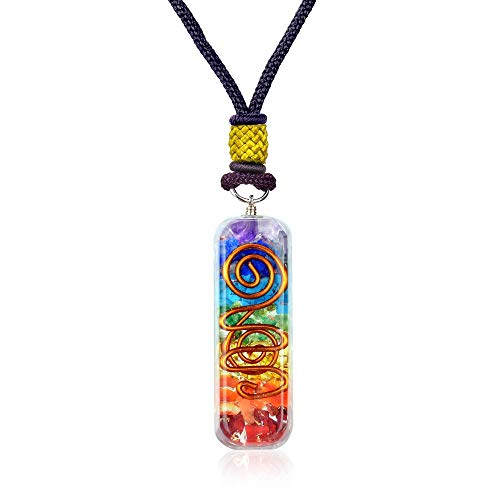
BASK IN POSITIVITY and promote spiritual well-being with our 7-Chakra Orgone Pendant. 7 CHAKRA STONES include amethyst, lapis lazuli, blue aventurine, green aventurine, citrine, red carnelian and red jasper.
Cultural and Religious Significance
Beyond its linguistic evolution, “Vaya con Dios” carries profound theological weight across Catholic and Christian traditions, reflecting humanity’s deep-seated desire for divine protection during life’s journeys.
The phrase’s spiritual essence traces back to the Middle Ages, when the Catholic Church commonly used “Dominus vobiscum” in liturgical blessings. You’ll find this sacred farewell deeply rooted in the ancient practice of invoking God’s presence during departures, similar to the archaic English “God be with thee” or Latin “bene vale.” While modern Spanish speakers might reserve “Vaya con Dios” for formal or religious settings, its connection to “ir” (to go) and “Dios” (God) maintains the solemn implication that you’re placing someone’s journey under divine guidance, though context remains essential to avoid potential misinterpretation.

Christian stainless steel cross bible verse cuff bangle. According to Psalm 46:5, Read:God is within her, she will not fall

Complete Inspirational Jewelry Set: this set includes one psalm bible verse necklace, one coordinating inspirational message card, and a two-layer white gift box; The packaging is designed to present the religious jewelry as a cohesive and considerate gift option

PREMIUM MATERIALS: crafted with 18K gold plated brass and Bohemian colorful soft cord , long-lasting luster, not easy to tarnish, comfortable to wear and high-end texture
Modern Usage Across Spanish-Speaking Regions
Modern interpretations of “Vaya con Dios” vary noticeably across Spanish-speaking regions, reflecting distinct cultural and religious shifts. While this expression, rooted in the Middle Ages had provided a sacred way to say Goodbye, its modern usage has declined considerably. In Spain, you’ll still hear “Vaya con Dios” with some regularity, unlike in Latin America where it’s become increasingly rare.
In Mexico and Puerto Rico, you’ll find the phrase has largely fallen into disuse, with only clergy occasionally employing it. It’s worth noting that some Latin American speakers might interpret this classical farewell as carrying ominous undertones, though such interpretations are considered tenuous. This evolution marks a departure from the reverent dominus-based farewells of classical Latin, when people believed in many gods, to today’s more secular expressions meaning to go.


Common Alternatives and Related Expressions
While “Vaya con Dios” has waned in contemporary usage, Spanish speakers have preserved alternative religious farewells that honor similar spiritual sentiments. You’ll find “Que Dios los acompañe” remains a cherished expression, particularly among Catholic Church lay members, reflecting centuries of religious tradition. The subjunctive verb here expresses a blessing, much like the time Romans believed their farewells carried divine protection.
For everyday communication, you’ll want to use the standard way to say goodbye: “Adiós,” a word which means something similar but carries less ceremonial weight. It comes from “a Dios” (to God), making it a subtle spiritual reference. “Hasta luego” and “Chau” have become more common alternatives, reflecting modern Spanish speakers’ preference for casual, direct expressions.

Unique Wall Art: Mexican wall art size is 12X16 inch, not include frames. You to choose your preferred frames to showcase them. Assemble and install by yourself, Fully enjoy the fun of DIY

Celebrate strong women everywhere with this floral Haus and Hues Frida Kahlo art print. This Frida portrait showcases the strength and determination of one of history's most groundbreaking artists, imposing traumatic experiences to emerge as a revolutionary artist. With this empowering feminist wall art, you can celebrate your femininity or pay tribute to your heroes, and everyone will know how strong you are

Spanish Quotes Posters: Immerse your environment in profound inspiration through collection of Spanish inspirational posters. Infuse space with the essence of motivation with positive poster affirmations in Spanish, each quote carefully curated to bring positivity to your surroundings. Elevate Hispanic wall art decor with the charm of Spanish quotes, adding depth and meaning to your walls. Experience the beauty of Latino art as it transforms your space into a haven of inspiration and reflection.
From Religious Blessing to Pop Culture Reference
Throughout the twentieth century, “Vaya con Dios” underwent a remarkable transformation from its sacred origins as a priestly benediction to become a ubiquitous cultural touchstone. This etymological evolution reflects the profound influence of the Catholic Church on everyday expressions, where a locution which means “go with God” transcended its ecclesiastical roots.
You’ll find this phrase has evolved beyond its denotative meaning in classical Spanish. While it formally expresses a hope for divine accompaniment, modern usage demonstrates semantic shift – a fancy linguistics term that describes how meanings change over time. As secular society emerged from religious dominance, the expression maintained its gravitas while becoming more colloquial. When you say good-bye using “Vaya con Dios” today, you’re participating in a cultural phenomenon that bridges sacred traditions with contemporary vernacular.

【Beautiful Blessings】: This rosary pendant symbolizes the Catholic's spiritual trust and veneration of the Virgin Mary. Hanging on the rearview mirror of the car, it is like a kind of flowing prayers and blessings, always accompanying the car owner, bringing inner peace and comfort for safe traveling.

Christian Car Rearview Mirror Charm: This hanging cross pendant features Virgin Mary Jesus Angel, red and blue robes, gold accents, white lilies, crystal beads tassel, and a vibrant flat printed acrylic sheet, offering universal fit for cars truck home decor, auto interior accessories, and daily driving protection

Compact Spiritual Design: Features light blue glass beads, a Saint Benedict medal, and a durable crucifix, designed for use in cars or on-the-go prayer.
The Evolution of Farewell Phrases Through Time
What’s particularly fascinating is how these phrases transformed across languages and eras. While Roman farewells like “vale” reflected polytheistic beliefs, the rise of Christianity shaped new expressions that emphasized a single deity. You’ll notice how “God be with you” gradually formed into idiomatic English “good-bye,” while “Vaya con Dios” comes from Latin religious traditions, though it’s now less common in modern Spanish usage.

Authentic 10 Mukhi Rudraksha Mala Made with natural 10 mukhi rudraksha beads, traditionally valued for spiritual practices, meditation, and positive energy alignment.

Spiritual Design & Meaning - Meaningful Hebrew necklace featuring a vertical sterling silver bar engraved with the full Priestly Blessing. A unique unisex spiritual pendant for women and men, designed as elegant Jewish Judaica jewelry.

📖✝Saint Michael Pendant📖✝ St. Michael's shield shape and the full prayer on the back, such a blessing to you and will be to others.