
The word “Takk” means “Thank you” in Norwegian. It’s a must-know phrase. If you’re going to Norway or talking with Norwegians, knowing how to say thanks is key. It makes your social interactions better. Phrases like “Tusen takk” (Thank you very much) and “Mange takk” (Thanks a lot) are important. They work in both casual and formal situations.
Learning these phrases is rewarding. NorwegianClass101 is great for this, thanks to their long experience and happy users. They have free and advanced options for everyone. Their approach focuses on practice. This helps you quickly learn to say “Thank you” in Norwegian. With online tools, it’s easy to learn. Knowing these phrases shows respect and builds connections with native speakers.
The Importance of Gratitude in Norwegian Culture
In Norway, saying thank you is deeply rooted in the culture. It’s important to show appreciation and acknowledge others’ efforts. This shows the value Norwegians place on gratitude.

Material: Norwegian flag greeting card is made from high-quality pearl paper that is eco-friendly, thick, and durable. Its double-sided pearl finish shimmers under light, showcasing a stunning iridescent effect.

GRATITUDE AFFIRMATION CARDS: Our motivational quote cards are designed to help you foster a life filled with gratitude and appreciation. This exquisite deck consists of affirmation cards for women, reflective prompts, and mindfulness activities that are easy to incorporate into your routine for meditation, grounding, and intention setting.

104 PROMPTS TO PRACTICE GRATITUDE — Thoughtful questions that help you notice life's abundance and feel grateful in everyday moments. Draw a card at dinner, in the morning, or whenever you need a shift in perspective.
Understanding Norwegian Values
Gratitude in Norway reflects upbringing and values. People often say “takk for hjelpen” and “tusen takk” in daily life. It’s key in both personal and professional spaces.
It’s vital to mean it when you say “takk.” Using it too much might seem not sincere. Knowing when and how to express thanks is part of fitting in.
How Gratitude Influences Social Interactions
Gratitude is key in Norway for making connections stronger. Saying “takk for sist” keeps friendships warm. In work, saying “jeg setter pris på det” creates a positive vibe.
Non-verbal signs, like smiles and eye contact, matter too. Giving small gifts or thank-you notes is common. It highlights the importance of showing appreciation in Norway.
Learning about gratitude in Norway can really help you connect with others. It makes becoming part of Norwegian society smoother and more enjoyable.
Basic Norwegian Phrases for Expressing Thanks
Learning to show gratitude is essential in any language, including Norwegian. Saying “thank you” in Norwegian helps you bond with others. Plus, using common Norwegian phrases makes learning the language fun and smooth.
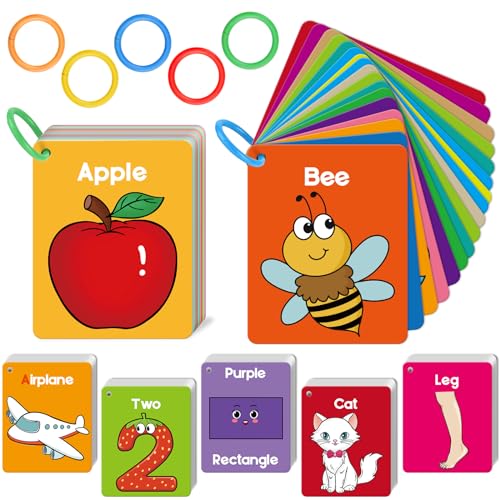
【What's Included】Include 60 double-sided toddler flash cards, and 5 colored rings. Designed to teach young children foundational skills, these cards cover the alphabet, counting from 1 to 10, shapes and colors, animals, first words, body parts, foods and fruits.

ASL Sign Language Flash Cards for Kids Ages 4+: Teach or reinforce American sign language skills to preschoolers, kindergarteners, and beyond with Carson Dellosa’s American Sign Language Flash Cards!

Versatile Learning: Our flash card set is perfect for individual, group, or classroom use. Whether your child is learning at home or in a traditional classroom setting, these cards offer a versatile way to learn sign language.
Saying ‘Takk’ – The Standard Response
“Takk” means “thank you” in Norwegian. It sounds simple, with a quick “a” and a strong “k.” It’s key for thanking people in Norway. It’s suited for both casual and formal settings. Norwegians use “takk” a lot, showing how they value gratitude.
Variations of ‘Thank You’ in Norwegian
Though “takk” is common, there are different ways to show gratitude:
- Tusen takk: Means “a thousand thank-yous,” similar to “thanks a lot.”
- Takk så mye: This also means “thanks a lot,” for showing extra gratitude.
- Mange takk: It means “many thanks,” but it’s less common now.
- Tusen hjertelig takk: Use this for “a thousand cordial thanks” for big kindnesses.
- Takk skal du ha: It shows deep gratitude, thanking someone warmly.
How to Use ‘Takk’ in Different Situations
Knowing when and how to use “takk” can improve your connections with Norwegians. Here are scenarios for its use:
| Situation | Phrase | Translation |
|---|---|---|
| After a meal | Takk for maten | Thanks for the food |
| Workplace gratitude | Takk for i dag | Thanks for today |
| Receiving a gift | Takk for gaven | Thanks for the gift |
| After reuniting | Takk for sist | Thanks for last time |
| When parting | Takk for nå | Thanks for now |
Practicing these phrases will boost your Norwegian and show your respect for their culture. Using the right phrase at the right time makes your conversations more real and heartfelt.
When to Use ‘Takk’ in Conversation
Knowing when to say ‘takk’ is key to better Norwegian conversations. Context, tone, and body language greatly influence how you communicate in Norway. The setting, be it formal or informal, changes how ‘takk’ should be used and understood.

Includes thick laminated flash cards.

50 assorted Positive quotes - Size of a Playing card -

𝗢𝗻𝗲 𝗚𝗿𝗮𝘁𝗶𝘁𝘂𝗱𝗲 𝗣𝗿𝗼𝗺𝗽𝘁 𝗘𝗮𝗰𝗵 𝗪𝗲𝗲𝗸 - Includes 52 scratch off cards, each revealing a gratitude-focused activity designed to help you notice positive moments and everyday appreciation.
Formal vs. Informal Scenarios
In formal settings like business meetings or when talking to elders, ‘takk’ becomes more special. You might say “tusen takk” or “takk skal du ha” to show deep thanks. ‘Tusen takk’ means ‘a thousand thanks’ and fits big gestures. ‘Takk skal du ha’ is for those in authority.
With friends or family, a simple ‘takk’ or ‘mange takk’ is enough. You’d use ‘takk’ for gifts, leaving a bus, or after eating at someone’s house, saying “takk for maten.”
The Role of Tone and Body Language
The right way to use ‘takk’ isn’t only about the word but also how you say it. A heartfelt ‘takk’ comes with a smile, eye contact, and a warm tone. These signals add to the sincerity of your thanks.
A causal ‘takk’ with a regular tone is for less important moments. Studies show that showing thankfulness through tone and gestures can boost mental health and social ties.
Contextual Examples of Usage
Here are some examples for bettering your Norwegian speaking skills. Thanking a waiter, you’d say, “Tusen takk for hjelpen”. If a coworker helps with a project, go with “Takk skal du ha.”
To respond to ‘takk’, saying “det er hyggelig,” which means “it is nice,” is common. Using such phrases daily can enhance your connections and foster a more supportive circle.
| Scenario | Expression | Context |
|---|---|---|
| Receiving a gift | Tusen takk! | Significant gesture |
| After a meal | Takk for maten | Common courtesy |
| During a meeting | Takk skal du ha | Formal |
| Casual help | Takk! | Informal |
Being good at using ‘takk’ and understanding Norwegian body language can make your interactions richer. By getting the tone and context right, you can show true gratitude in any setting.
Additional Ways to Express Your Appreciation
Saying thanks in Norwegian isn’t just about “takk.” There are many expressions to show gratitude more deeply. When you use different phrases, it makes your thanks feel more special. This shows you understand Norwegian culture better.

Comprehensive ASL Learning Tool:The 500 ASL Starter Bundle is classified according to color features 10 themed packs & 10 Rings! This diverse collection Includes The Basics、Early Vocabulary、Calendar Time、Mealtime、Animals、Nouns、Verbs、Sight Words. Covers ABCs, Numbers, Colors, Food, Vegetables, Fruits, Emotions, Seasons, Greetings and 500+ practical words!

Essential Toddler Sentences: Includes practical, everyday phrases to support toddler speech and language development

Bilingual Learning for Dual-Language Families: Includes 255 double-sided cards (510 vocabulary words) in English & Spanish. Switch between bilingual (EN+ES), English-only, or Spanish-only modes – perfect for bilingual households, Spanish-speaking families, or anyone introducing a second language early. Standard American English pronunciation and clear Spanish audio ensure quality language exposure.
Synonyms and Alternatives to ‘Takk’
You can say “mange takk” to really mean it. This works in casual chats or bigger moments. “Tusen takk” is for when you’re very thankful. Saying “jeg setter stor pris på det” shows you really mean thank you. It’s good to know these so you can say thanks in more ways.
Complimenting and Expanding on Gratitude
Saying nice things along with thanks makes it even better. For instance, “takk for maten” shows gratitude for someone’s cooking. “Hjertelig takk” is for when you’re touched by someone’s kindness. Adding a compliment makes your thank you richer and helps build stronger bonds.
You can discover more Norwegian phrases from sources like this article on Norwegian phrases.
Using Acquisition Phrases in Norwegian
In casual settings, “takk skal du ha” is great among friends. It’s a friendly way to say thanks. If someone helps you a lot or gives you a gift, “takk for alt” is very strong. Though it’s used at funerals, it can also show big thanks in happier times.
To sum up the diverse expressions:
| Phrase | Translation | Usage Context |
|---|---|---|
| Takk | Thank You | General usage, both casual and formal |
| Mange takk | Many Thanks | Emphasizing gratitude |
| Tusen takk | A Thousand Thanks | Formal or deeply appreciative contexts |
| Takk skal du ha | Thank you, you shall have | Casual, among friends |
| Hjertelig takk | Heartfelt Thanks | Deep gratitude, emotionally engaging |
| Takk for maten | Thanks for the food | After meals |
| Takk for alt | Thanks for everything | Traditionally for funerals, can adapt for strong appreciation |
Using these phrases makes your Norwegian better. It also shows you respect and understand their culture more.
Resources for Learning More Norwegian
Learning Norwegian is an exciting but tough journey. Luckily, many tools can help you learn this special language. Whether you like apps, books, or talking with others, using Norwegian every day is key.

Two-In-One Set - No more boring white envelopes. This stationary set introduces eye-catching pops of color from the moment they receive your message. These Norwegian fjords blank cards and envelopes keep your stationery drawer fully-stocked for important events(1 Card and 1 Envelope)

Your All-in-One Card Solution: Say goodbye to generic cards .Our Norwegian fjords card is your go-to choice for birthdays, holidays, weddings, and more. With their versatile design, you can create personalized cards that will truly make an impression

Versatile Blank Cards: Our 4x6 inch blank greet cards offer endless possibilities. Whether you're writing a heartfelt note, creating a personalized invitation, or crafting a special message, these Blank Note with Envelopes are perfect for any occasion
Language Apps and Online Courses
Apps such as Duolingo, Memrise, and Babbel use fun learning and repetition. They make it easy to practice daily. For more detailed lessons, NorwegianClass101 and NTNU’s free “Norwegian on the Web” cover all skill levels. Using these programs can prepare you to chat in Norwegian after about 600-750 hours of study.
Books and Texts for Norwegian Language Learners
“Complete Norwegian” and “Colloquial Norwegian” are great books for learning. They teach important lessons and how to talk in real situations. These books explore the culture and special aspects of the language, including its 29 letters and special vowels like Æ, Ø, and Å. Reading them often boosts your thinking skills and can help your career.
Joining Language Exchange Groups and Communities
Joining a Norwegian language exchange can really help you learn. Sites like Italki and Preply match you with tutors for custom help and live practice. It’s also good to dive into Norwegian culture through books, movies, and podcasts like the “Learn Norwegian Podcast.” Being a part of online forums or social media groups gives you support, motivation, and a deep dive into the culture. This way, you improve your speaking skills and get quick feedback, which speeds up your learning.

