Starting your journey to learn Spanish is both exciting and a bit daunting. But using Spanish cognates for language acquisition is a smart way to boost your vocabulary quickly. Many English words have Spanish look-alikes, making them key to understanding and speaking fluently.
When you use cognates to learn Spanish, you’re turning language barriers into bridges. You gain instant access to thousands of words because they come from a common Latin root with English. This includes perfect matches, like “actor”, and near-matches, such as “acción” and “action”. These similarities make learning and remembering words easier.
For older students, this approach is especially powerful. With over 30-40% of English vocabulary found in Spanish as cognates, you speed up your journey to becoming bilingual. This helps you overcome common challenges in learning a new language smoothly.
Be careful with false cognates, though—words that look similar but differ in meaning. Mistaking “embarrassed” for “embarazada” can lead to mix-ups. Paying attention to these differences boosts your ability to speak Spanish clearly and correctly.
So, how do cognates make learning Spanish better? By incorporating these related words into your study habits, you make learning a new language both easier and more fun.
Understanding Cognates and Their Role in Language Learning
Cognates are essential for learning Spanish, especially for English speakers. About 30-40% of English words have a Spanish counterpart. This link makes it easier to learn a new language. Using cognates effectively in Spanish helps with vocabulary and understanding.

300 DOUBLE-SIDED VOCABULARY CARDS: These English-Spanish flash cards adults include 6 ESSENTIAL TOPICS - 50 Body parts, 50 Fruits, 50 Animals, 50 Transportation, 50 Foods & Spices, and 50 Vegetables Flashcards. Perfect for learning Spanish or English for adults and kids, each card includes an IMAGE clear PRONUNCIATION, example SENTENCE and GENDER IDENTIFICATION to boost comprehension.

Cognitive Cards for Kids 0-4 Ages: The cognitive flashcard set includes basic first words in Spanish, vibrant images and cute cartoon characters, which will arouse kids’ interest greatly and help them master basic Spanish. It introduces kids new concepts and ideas from an early age, helping them start learning new things, promote parent-child interaction and improve memory and hand-eye coordination.

The Bridge Between English and Spanish
For English Language Learners (ELLs), cognates are a key tool. They are words that look, sound, and mean the same in both languages. Recognizing these words can greatly improve Spanish learning. Teaching strategies that focus on common Greek and Latin roots help. They let learners use what they already know, making learning Spanish easier.
The Cognitive Benefits of Cognate Awareness
Research shows the benefits of using cognates in learning Spanish. Knowing cognates helps with vocabulary acquisition. This knowledge makes language processing, understanding, and pronunciation better. It makes learning faster.
Cognates are used in teaching from an early age to higher education. For instance, 92% of ELLs identified three or more cognates during reading exercises. This shows that cognates boost understanding.
Cognates Across Various Languages
Cognates help not just in Spanish, but in other languages with Latin and Greek roots. Knowing these roots helps students recognize words across Romance languages. This knowledge is a helpful tool in language learning.
A visit to how hard is it to learn Spanish will show how cognate awareness aids learning. It makes the process more natural and fun.
Activities like word sorting, spotting differences in cognate letters, and identifying false cognates improve skills. They help students learn and use cognates effectively.
| Activity | Success Rate |
|---|---|
| Identifying Cognates in Reading | 78% |
| Word Sorting Match | 85% |
| Differing Letters in Cognates | 67% |
| Identifying False Cognates | 45% |
How can you use cognates to help you learn Spanish
Learning Spanish becomes easier with the help of cognates. Cognates are words that look, sound, and mean the same in both languages. They help you quickly build a strong vocabulary.
Knowing that a lot of English words have Spanish equivalents can boost your skills. For example, about 30-40% of English words have a Spanish cognate. This similarity is a useful tool for better language understanding. Cognates make learning easier and boost your confidence by giving you words you already know.
- Recognition of Cognates: Start by identifying simple cognates such as ‘animal’ (animal), which can be effortlessly understood in both languages. This early recognition fosters a sense of familiarity and comfortability with the new language.
- Interactive Learning: Engage in activities such as matching games that pair English words with their Spanish cognates. This hands-on approach helps reinforce memory and understanding of the shared vocabulary.
- Literacy Development: Utilize cognates to support literacy, acknowledging that learning these can aid in understanding complex texts in both the first and second languages. Knowledge of cognates such as ‘celebration’ (celebración) simplifies reading comprehension and enhances communication skills.
- Classroom Integration: Teachers can create an inclusive learning environment that respects linguistic diversity by integrating cognate studies into the curriculum. This strategy enriches the educational experience for all students, particularly English Language Learners (ELLs).
Cognates help a lot in moving from one language to another. Teachers can use cognate cards or slides to show these words. This way, students can see the similarities and differences. This method helps with learning pronunciations and spotting false cognates.
| English Word | Spanish Cognate | Common Usage |
|---|---|---|
| Doctor | Doctor | Used in medical or academic contexts |
| Family | Familia | Used in personal or social contexts |
| Radio | Radio | Used in media and communication contexts |
| Telephone | Teléfono | Used in communication across various settings |
| Animal | Animal | Commonly used in both everyday and scientific language |
When you understand and use cognates, learning Spanish becomes more fun and effective. Cognates break down language barriers. They make it easier to communicate and understand new cultures. This opens doors to new opportunities for growth both personally and professionally.
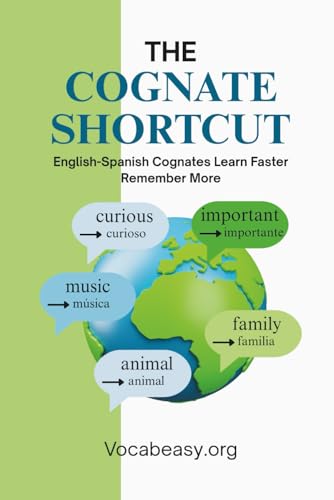


Identifying Common Spanish Cognates in Everyday Language
Learning Spanish cognates for language acquisition is about exploring various types that we meet daily. By knowing these cognates, you can quickly grow your vocabulary and get better at understanding. This makes learning Spanish more enjoyable.


Examples of Perfect and Imperfect Cognates
Begin by getting to know perfect cognates. These are words that sound and are spelled the same in English and Spanish. For instance, ‘actor’ means the same in both languages. Words like these, especially technical or scientific ones, are super helpful.
Next, look at imperfect cognates like ‘action’ in English and ‘acción’ in Spanish. They look and sound a bit different. Understanding these small differences is key to grasping Spanish better. It helps avoid mistakes in cognates in language learning.
The Intersection of Vocabulary: From ‘family’ to ‘familia’
Learning ‘family’ in Spanish as ‘familia’ shows how cognates help in language learning. This connection makes it easier to learn and remember new words. It’s great for conversation in Spanish, making it smoother and boosting your confidence.
Finding out how many common words are connected in Spanish is fun. Using resources like this guide to learn Spanish offers more examples. Whether you’re watching a show or chatting, using these cognates can make learning faster.
| English Word | Spanish Cognate | Type |
|---|---|---|
| Decoration | Decoración | Near Perfect |
| University | Universidad | Near Perfect |
| Abstract | Abstracto | Near Perfect |
| Curious | Curioso | Near Perfect |
With about 10,000 to 15,000 Spanish-English cognates, you can really expand your active vocabulary. This strategy improves your ability to speak fluently, read with ease, and dive deeper into Spanish culture. It’s a powerful way to enhance your language skills.
Strategies for Using Cognates to Enhance Spanish Learning
Starting to learn Spanish offers the great benefits of using cognates. There are about 10,000 to 15,000 common words between English and Spanish. This means there’s a huge vocabulary that English speakers can easily pick up. Finding these similarities can majorly boost your language skills. But, what’s the best way to use cognates to learn Spanish effectively and keep it fun?


Reading Aloud and Spotting Cognates
One key approach is to read Spanish out loud. Look for cognates as you go through Spanish texts, like articles or social media posts. This helps grow your vocabulary and strengthens how you connect words with their sounds.
When you come across words such as “aventura” or “secreto”, link them to “adventure” and “secret” in English. For those more advanced, try reading well-known books in Spanish. This uses what you already know to learn even more.
Interactive Learning: Word Sorts and Comparisons
Games and activities like word sorts boost learning by making it interactive. Teachers saw a 45% jump in class participation with games focused on cognates. Matching Spanish to English words, like “historia” and “history”, shows the connections between the languages.
Also, tools like Duolingo Stories highlight cognates in stories. This mixes learning with fun.